Rows of lit server racks inside a Google data center in The Dalles, Oregon
Photo: Lambtron / Wikimedia Commons, CC BY-SA 4.0

Google's best new AI makes more mistakes than its cheap one.

Gemini 4 Neon wins on tests. Google's own safety report shows where it slips.

vizmaya desk · 29 Nov 2026

The newest model should win every test.

That is the bet most buyers make. We read the Gemini 4 Neon safety report to check it.

Four Gemini 4 models shipped in 36 days.

Argon came first, on 13 October. Neon came last, on 18 November.

Cheap Hydrogen landed six days before Neon. Your choice of model now changes monthly.

Source: PromptsRush, Google. API release dates.

API release dates, 2026

The cheap model already does real science.

Host Károly Zsolnai-Fehér asked Hydrogen to rebuild a cloth physics paper from NVIDIA and the University of Utah.

It also drew skin and marble well. It failed on his liquid milk scene.
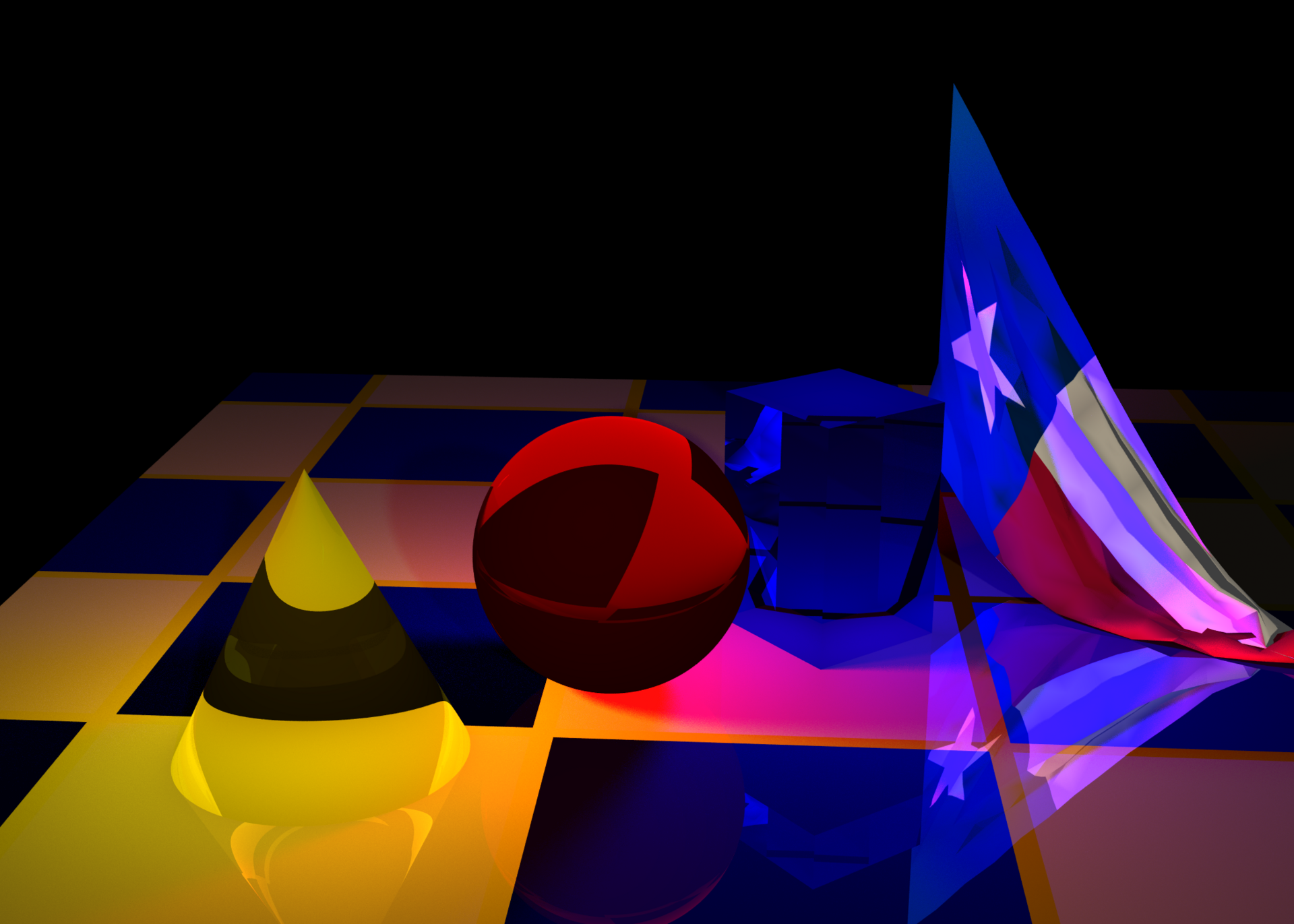
Source: Two Minute Papers, 27 Nov 2026. The host's own tests, not independent ones.

A rendered scene of cloth draped over objects, made with a cloth simulator
A cloth simulation in the free Art of Illusion tool. Illustration only, not the paper's output. Photo: Tdfish / Wikimedia Commons, CC BY 4.0

Neon costs $15 per million output tokens. Hydrogen costs $7.50.

A token is a chunk of a word. Output tokens are the ones the model writes, thinking included.

Carbon costs $10 today. From 1 December it costs $20, so Neon turns 25% cheaper.

Source: Lindy, DataCamp. Standard tier, list prices.

Output price, $ per million tokens

#2Neon's rank on the Vals Index, at 70.9% and $7.40 per test.

On independent tests, Neon earns its price.

On 7 of 14 Vals leaderboards, no model scores higher for less money.

Google adds that Neon matches Carbon on quality at 3 times the speed and 60% of the cost. That comes from early tests.

Source: Vals AI, Google.

Google's watchdog flagged Neon far less than older models.

The watchdog reads what AI agents do and blocks shady moves. It has watched tens of millions of runs.

Per call, confirmed alerts were 2.6 times lower than Hydrogen, 2.0 times lower than Carbon and 10.8 times lower than Argon.

Illustration of a wall of small monitors with one glowing orange screen under a magnifying glass
Illustration: AI-generated

Source: Gemini 4 Neon safety report, section 3.3.2.2, Figure 3.5.

Confirmed alerts per model call, Argon = 1.00

12 of 35Neon alerts, in its first five days, that Google could read in full.

Only 12 of 35 Neon alerts could be read in full.

None of the 12 showed deceptive reasoning. Each was blocked before it ran.

The other 23 had no full logs at review time. The "2.6 times fewer" figure counts alerts. The 12 are a small spot check.

Source: safety report, section 3.3.2.2. Of the 23: 13 opted out of text logging, 3 fell outside archived steps, 7 awaited log ingestion.

In replayed traps, cheap Hydrogen passed more often than Neon.

Google rewound 209 real flagged coding sessions to the moment before an older model broke a rule. Then it dropped each newer model in at that spot.

The video calls this one cheater reformed. It is newer models tested in old failures. Google says Neon and Hydrogen do not differ significantly.

Source: safety report, Figure 3.6. 90% of cases came from Argon alerts. Tools were simulated.

Safety pass rate across 209 replayed sessions, %

A yes-man AI flatters you. An overcorrected one shuts you down.

A yes-man agrees with you, then agrees with the opposite. Push too hard against it and the model turns cold.

Google scored both flaws. Neon is the least cold at 11. Hydrogen is the least shallow at 9.
Illustration of two mirrored figures, one nodding, and a small teal figure turning away
Illustration: AI-generated

Source: safety report, section 5.4, Figure 5.11. About 900 test prompts. Both scores measure a flaw.

Personality evaluation scores, by flaw

In real advice chats, Neon made 1.17 mistakes. Hydrogen made 0.77.

Google replayed real health and non-health chats. A grader counted overclaims, invented facts and left-out caveats.

Neon made 52% more mistakes per chat than Hydrogen. It trailed Carbon too, at 1.05.

Source: safety report, Figure 5.12. Parts are rounded, so they may not sum to the totals.

Mistakes per conversation, by type

Neon knows more. It also guesses wrong more.

On 3,000 closed-book questions, Neon got 60.5% right. Hydrogen got 50.5%.

When Neon did not know, it guessed wrong 14.4% of the time. Hydrogen did so 8.5% of the time. Google says Neon abstains less.

Source: safety report, section 5.5, Figures 5.13 and 5.14 (AA-Omniscience v1.1).

Answers right vs wrong guesses, %

Route by the cost of a wrong answer, not by rank.

The best score and the safest habits live in different models. Match the model to the damage a mistake does.

Our read of the report and the price sheets. Not Google's advice.

  • High volume, small errors are fineStart with Hydrogen at $7.50. It guessed wrong least, at 8.5%.
  • Hard finance, legal or code workNeon ranks first on the Vals finance and legal indexes. Keep a human check on facts.
  • Advice that people act onAdd a verify step for every model. Even the best made 0.77 mistakes per chat.

Five questions that expose any safety report.

This report is honest enough to answer all five. Many are not. Ask them of every vendor.

Every number here is Google's own. Independent reruns are the next thing to watch.

  • How many cases?12 of 35 alerts were read in full.
  • Who built and graded the test?Google did, on its own harness.
  • Compared with what?Mostly Argon, the weakest model. 90% of replay cases came from its alerts.
  • What was left out?23 alerts had no full logs. Rival models were left out of the replay.
  • What got worse?Mistakes per chat: 1.17 on Neon vs 0.77 on Hydrogen.

Sources and method

  1. Video: DeepMind's New AI Just Changed The AI Race, Two Minute Papers, 27 Nov 2026.
  2. Gemini 4 Neon safety and security report, Google DeepMind. All Figure numbers cited.
  3. Introducing Gemini 4 Neon, Google.
  4. Gemini 4 Neon on Vals AI. The page shows both #3 (69.23%) and #2 (70.87%). We use the latest update line.
  5. Lindy and DataCamp: prices, including the 1 Dec Carbon change.
  6. PromptsRush: release dates. A secondary source.
  7. Photos: Lambtron (CC BY-SA 4.0) and Tdfish (CC BY 4.0), via Wikimedia Commons. Two illustrations are AI-generated.
  8. More: vizmaya stories.

Method. Alert ratios use the report's overlapping-day text, so they differ slightly from the Figure 3.5 index. The 209-case replay scored 204 shared cases within 0.4 points of the headline. The host's claims that Hydrogen powers Google Search AI and that Google ships weekly are his, not verified here. Byline: vizmaya desk, 29 Nov 2026.