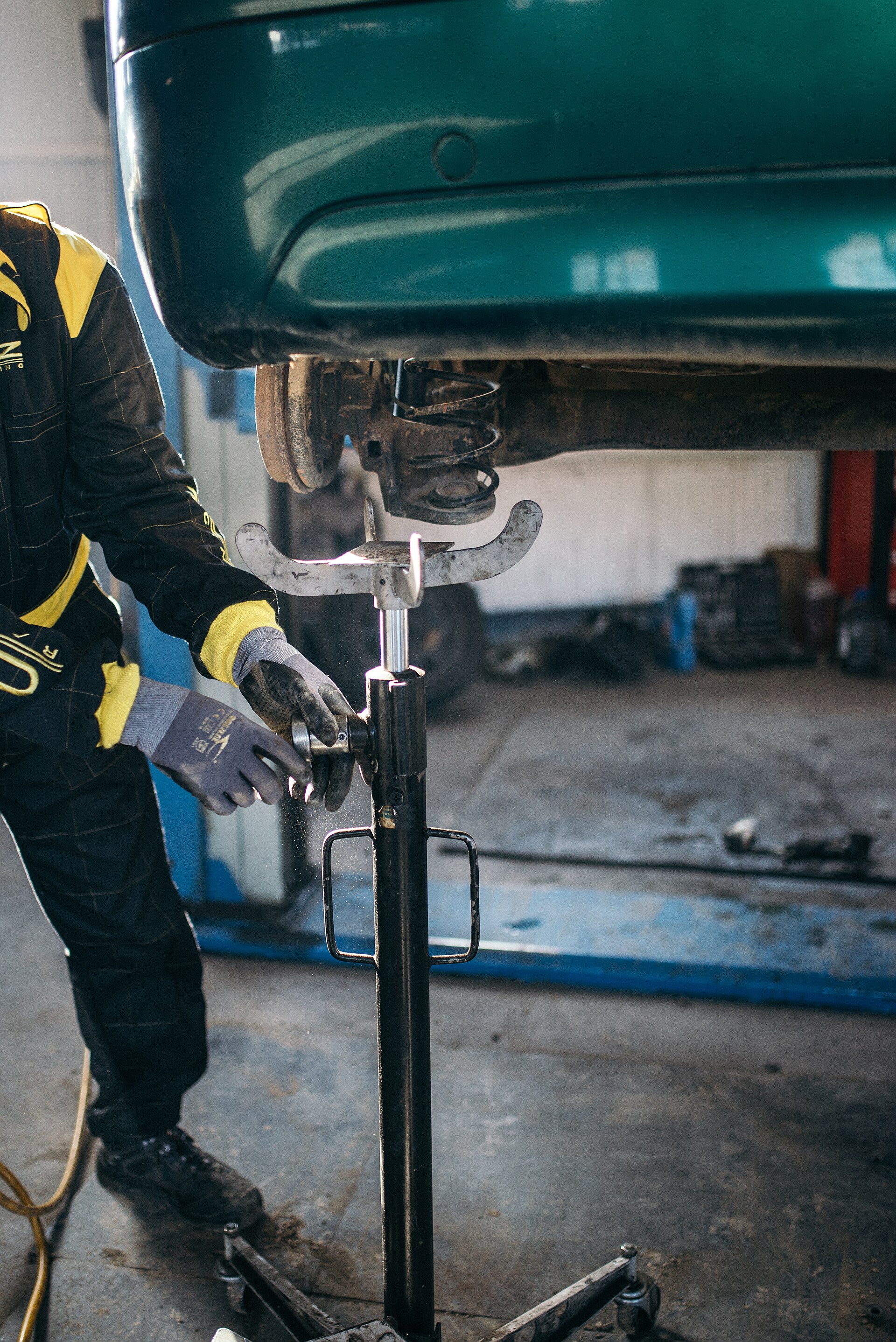

Behind each search is a car with a problem.
The driver wants a shop today. Google often shows nearby map listings first.
We are not mechanics. We also panic at the check engine light.
In auto, 37% of calls start on the listing. Overall, 23%.
CallRail studied 1.1 million customer conversations across seven industries. The listing drove 37% of calls in automotive. Across all seven industries it drove 23% of conversations.
Source: CallRail, From Conversations to Conversions (January 2025). Press release.
Google ranks on distance, match and fame.
- Distance. How close the shop is to the searcher.
- Match. How well the listing fits the search.
- Fame. How well known and trusted the shop is.
A shop cannot move its building. So the work is match and fame.
Google's own terms: proximity, relevance, prominence. Via BrightLocal.
The listing and its reviews carry 52% of the weight.
In 2026, 47 local search experts estimated how Google weighs map results. Listing signals got 32%. Reviews got 20%.
Website content got 15%. Links to the website got 8%. So 52% for listing plus reviews, against 23% for website plus links.
Source: Whitespark, Local Search Ranking Factors 2026, weights as reported by BrightLocal. Expert opinion, not Google's code.
One dropdown beats every review factor.
The same experts scored 187 factors. A higher score means a stronger effect. The main category you pick for the listing came first, at 227.
The number of reviews scored 170. How recent they are scored 164.
Source: Whitespark, Local Search Ranking Factors 2026. Scores from 47 experts.
Wrong hours cost rank.
Being open when the person searches scored 189. That is fifth of 187 factors.
Drivers read reviews before they choose.
- 90%use reviews to pick a shop. The other 10% say reviews play no role.
- 72%would not consider a shop under 4 stars.
- 70%want to see the shop reply to bad reviews.
Source: SureCritic, Automotive Review Influence Study (April 2021). 1,900 vehicle owners.
Asked customers post reviews 62% of the time. Unasked, 18%.
Repair Shop Websites surveyed nearly 600 auto repair customers. Asking worked more than three times better.
The listing wins the tap. What happens when the phone rings?
Source: Repair Shop Websites survey, via Vehicle Service Pros. A vendor survey, so read it as a guide.
13 of every 100 calls never connect. About 9 callers do not try again.
Marchex studied 8.7 million calls to auto service shops. 13% never connected. 68% of callers who missed the shop did not call again.
Apply 68% to the 13, and about 9 of 100 callers are gone. That is our arithmetic, not Marchex's.
Source: Marchex, 2019 Auto Services Industry Report (8.7 million calls), as reported by Stacker. A 2026 CallRail blog says the average auto business misses 86 calls a month. It does not publish its method.
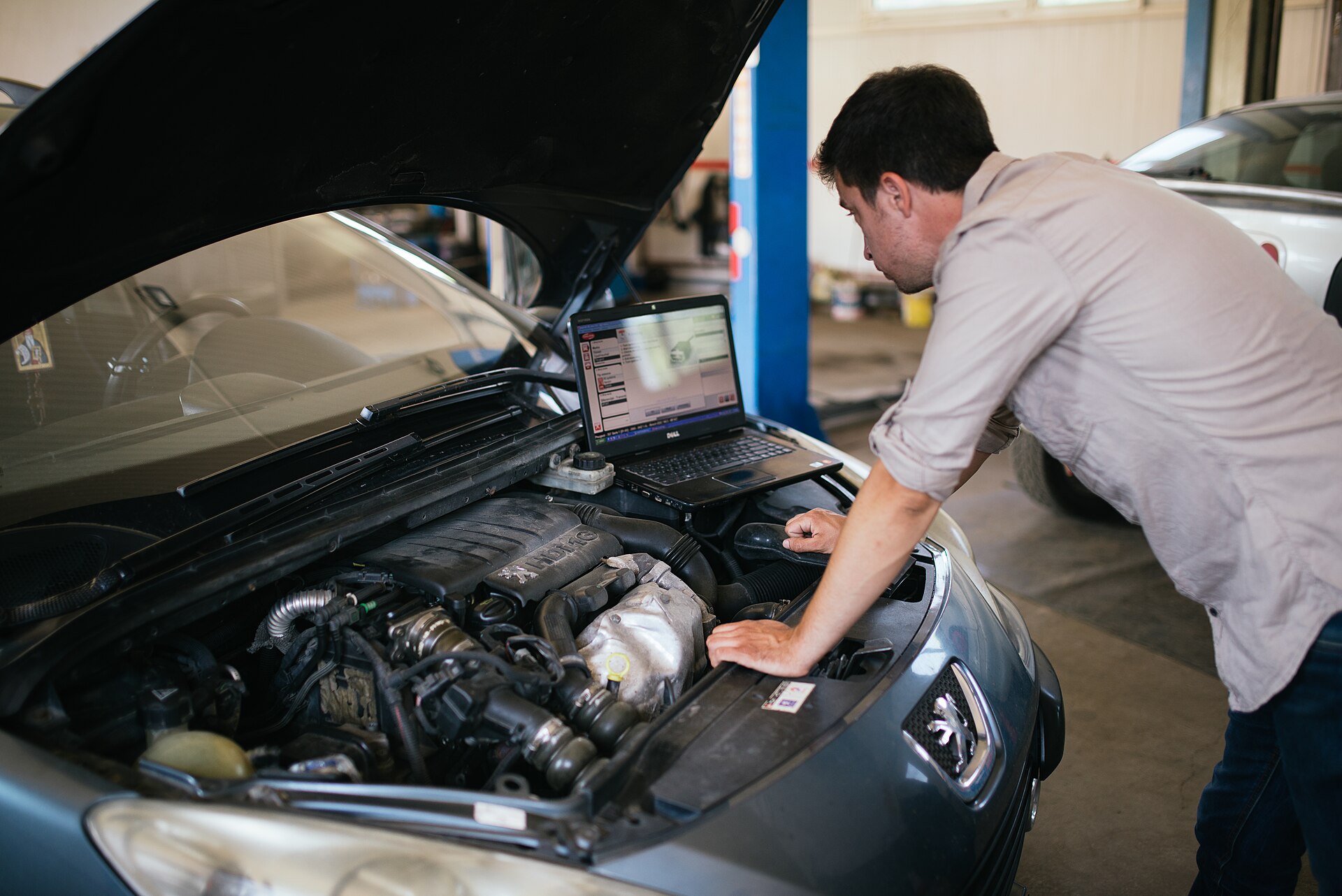

Read your own numbers first.
Google's Performance report counts views of the listing on Search and Maps. It also counts every tap on the call button.
Check the Calls count before you buy any ads.
Source: Google Business Profile Help.
Five moves, in order of evidence.
- Set the main category to your exact trade. It scored 227.
- Add extra categories for each service. They scored 173.
- Keep hours exact, holidays included. Open when searched scored 189.
- Ask every customer for a review. Answer each one. 62% vs 18%.
- Pick up the phone, or call back fast. 13 of 100 calls never connect.
Move 1 is one dropdown. Start there.
Sources and method
- CallRail, From Conversations to Conversions (January 2025). 1.1 million conversations, seven industries. The 37% is calls in the automotive group, which is wider than repair shops. The 23% is conversations across all industries.
- Whitespark, Local Search Ranking Factors 2026 (47 experts, 187 factors, published November 2025). Group weights as reported by BrightLocal. The seven groups shown add to 96%. These are expert estimates, not Google's code.
- Keywords in the business name scored 223, but Google's rules ask for your real business name. We do not suggest adding keywords to it.
- SureCritic, Automotive Review Influence Study (April 2021). Repair Shop Websites survey, via Vehicle Service Pros. Both come from vendors that sell review tools.
- Marchex 2019 call data, via Stacker. The 9-in-100 figure is our arithmetic and assumes the 68% applies to the 13%. CallRail blog (June 2026) for the 86 missed calls.
- Google Business Profile Help for the Views and Calls metrics. More from us: Vizmaya stories.
- Photos: shixart1985 / Wikimedia Commons, CC BY 2.0.
Where do auto shop calls come from?
A free Google listing. CallRail counted 37% of automotive calls there. We look at why, and where the calls leak.
Auto leans on the listing harder than most.
37% of calls in auto, against 23% across all seven industries. Same listing, bigger role.
Behind each search is a car with a problem.
The driver wants a shop today. The listing is the first thing they see.
Google ranks on distance, match and fame.
You cannot move the building. Match and fame are the part you can work on.
The listing and reviews carry 52% of the weight.
The website and links to it carry 23%. These are expert estimates, not Google's code.
One dropdown beats every review factor.
The main category scored 227. The number of reviews scored 170.
Hours are a ranking factor.
Open when searched scored 189, fifth of 187 factors.
Drivers read reviews first.
90% use reviews to choose. 72% skip a shop under 4 stars.
Asking is the cheapest move here.
62% of asked customers posted a review, against 18% of unasked ones. The listing wins the tap. What happens on the call?
Then the phone rings out.
13 of 100 calls never connect. About 9 callers do not try again.
Read your own numbers first.
Google counts listing views and call taps. Check them before you buy ads.
Five moves, in order of evidence.
Category, services, hours, reviews, phone. Start with the dropdown.
The listing wins the call. The phone keeps it.
Sources and method sit at the bottom of the board.