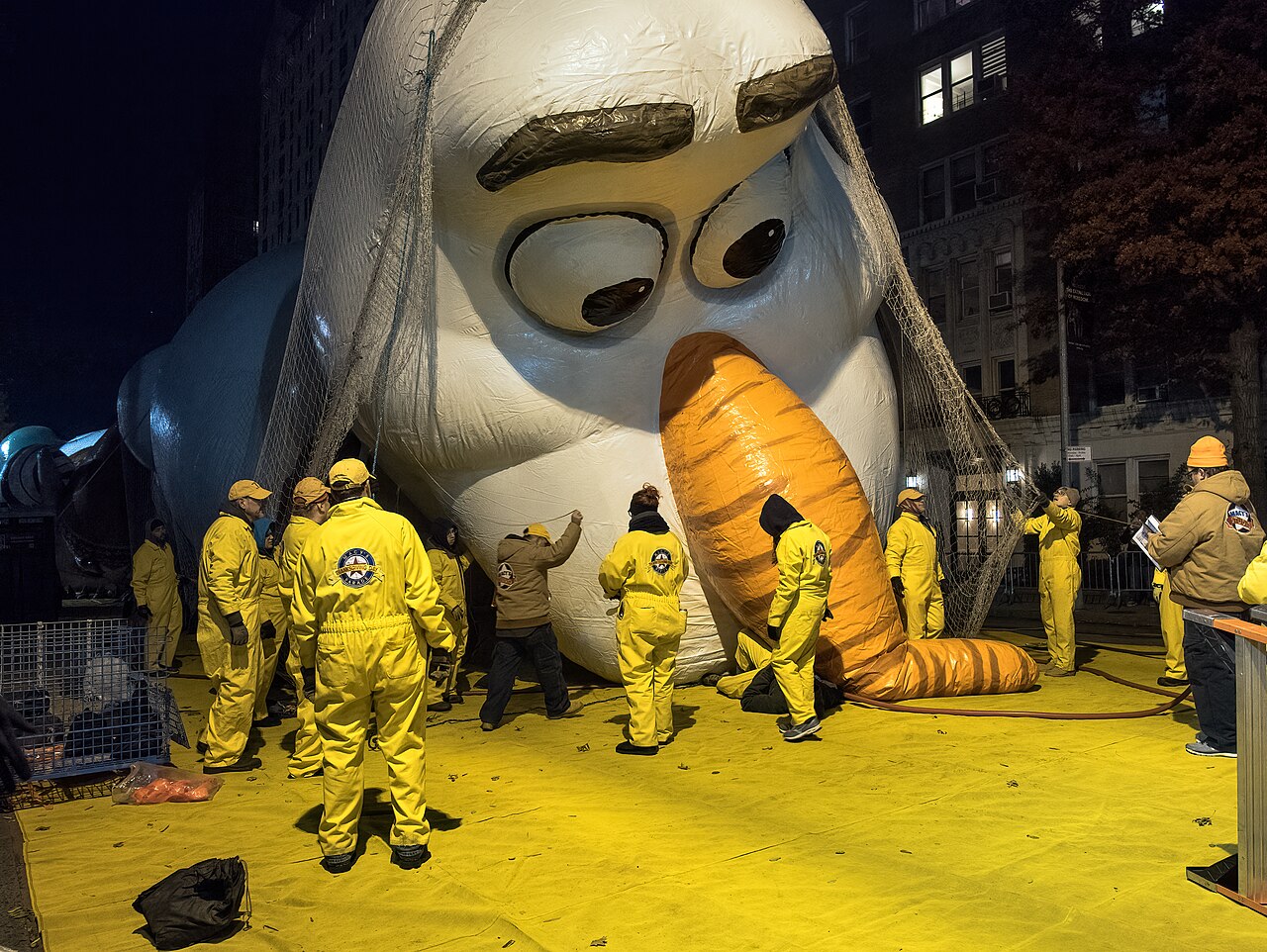
The Macy's Thanksgiving Day Parade has run since 1924. It skipped three wartime years and once flew no balloons at all. It had never been pushed to another day until this week.
On Wednesday, 25 November, New York City officials moved the 100th parade from Thanksgiving morning to Saturday, 28 November, at 8:30 a.m. The reason was a coastal storm that by Thursday stretched from the Carolinas to New England, while a separate Pacific system and the year's highest tides flooded California.
Why does a little wind stop a parade?
City rules keep the giant balloons on the ground if sustained winds pass 23 mph or gusts pass 34 mph. The rule dates from the 1997 parade, when strong winds pushed the Cat in the Hat balloon into a lamppost and falling debris fractured a spectator's skull. She spent 24 days in a coma.
Thursday's storm was well past that line. A gust of 37 mph hit Central Park just before 7 a.m., when the balloons would have been lining up. LaGuardia Airport recorded 56 mph. Further south, gusts reached 73 to 74 mph in the Virginia and West Virginia mountains.
Thursday's gusts ran far past the balloon limit
Peak reported gusts, mph. The orange line is the 34 mph gust limit for giant balloons.
Sources: gusts outside New York from weather.com (updated 26 Nov, 12:35 pm ET); LaGuardia from NYC Emergency Management via CBS News; Central Park from FOX Weather. Balloon limit: FOX Weather, ABC7 New York.
How many people did the storm reach?
Early on Thursday the National Weather Service had about 36 million people under coastal flood warnings and 32 million under high wind warnings. More than 45 million more were under wind advisories, which stretched from northern Georgia across most of the mid-Atlantic into southern New England. New Jersey's governor declared a state of emergency for the whole state; New York's covered New York City, Long Island and Westchester.
Tens of millions were under storm alerts at once
People under each type of National Weather Service alert, early Thursday, millions
Source: National Weather Service figures reported in the Yahoo News live blog, 26 Nov. Categories overlap: one person can sit under several alerts.
Where did it hit hardest?
This was not one place's storm. Snow fell on St. Louis and Memphis, rain set records in the Florida Keys, the sea cut off North Carolina's Outer Banks and record tides pushed into San Diego and the San Francisco Bay.
Wind, water and snow on both coasts in one week
Selected places and what they recorded, 25–26 November 2026
- 1La Jolla, California: tide gauge hit 8.11 ft on Wednesday, a record. The old record, 7.98 ft, was set on 27 October.
- 2Pacifica and San Francisco Bay: waves took a section of the 1,140 ft Pacifica Pier; the Bay's tide was forecast near its all-time high.
- 3St. Louis, Missouri: 7.3 inches of snow; 14 inches in nearby Ste. Genevieve.
- 4Memphis, Tennessee: its first Thanksgiving snow in at least 76 years.
- 5Marathon, Florida: 7.14 inches of rain on Wednesday, its wettest November day since records began in 1950.
- 6Charleston, South Carolina: the tide gauge peaked above 8 ft and spent almost two hours at major flood stage.
- 7Outer Banks, North Carolina: seawater breached the dunes and cut Highway 12 in four places.
- 8Snowshoe, West Virginia: a 74 mph gust, the highest on this list.
- 9Delaware and Jersey shore: Avalon, New Jersey saw some of its worst flooding on record, local officials said.
- 10New York City: 56 mph at LaGuardia; two people were rescued from cars in floodwater.
- 11Chesapeake Bay Bridge-Tunnel, Virginia: closed for several hours on Thursday morning by high wind.
Sources: La Jolla, NWS San Diego via FOX Weather; Pacifica, San Francisco and Outer Banks via Yahoo News; St. Louis, Ste. Genevieve, Chesapeake Bay and New York via AP (WSMV, CBS News); Memphis, Marathon, Charleston and Snowshoe via weather.com. Map: US Census boundaries via us-atlas.
Why was the water so high?
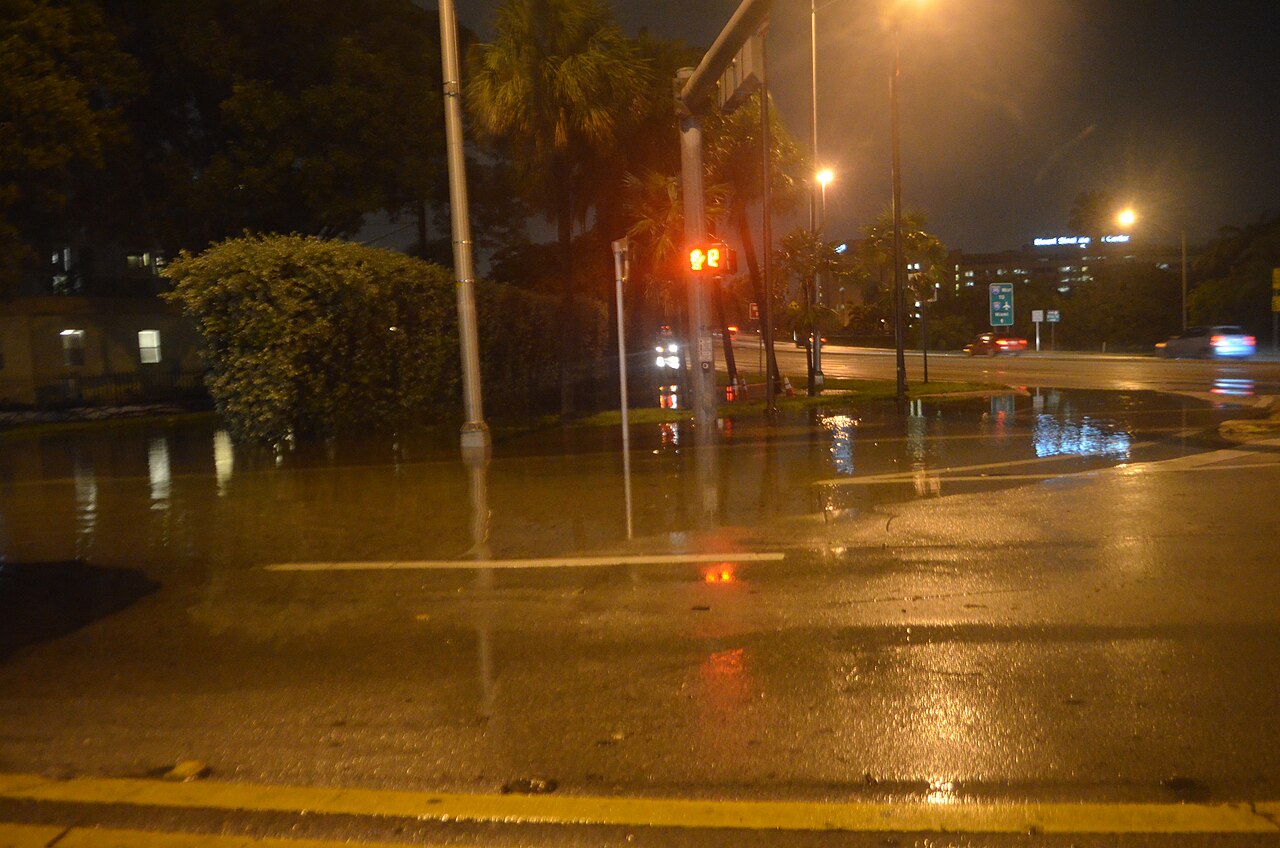
The storm arrived during king tides, the highest tides of the year. They come when the sun, moon and Earth line up and their pull adds together, and this week brought a full moon. A strong storm pushing water onshore at the same time stacks a surge on top of tides that are already near their peak.
On the Pacific side the sea was already running high. NOAA's National Ocean Service says this year's strong El Niño has helped lift sea levels along the coast. Tide stations in San Diego, La Jolla, Los Angeles and Santa Barbara set all-time highs in late October. On Wednesday, La Jolla broke its own month-old record again.
La Jolla broke a month-old tide record
Highest water level at the La Jolla tide gauge, feet above the average of lower daily lows
Source: National Weather Service San Diego, via FOX Weather, 26 Nov. El Niño and October records: NOAA, as reported by Yahoo News.

How many lost power?
Outages climbed all day as the storm moved north. Counts compiled by PowerOutage.us went from more than 400,000 customers on Thursday morning to more than 900,000 by the evening. Pennsylvania had more than 200,000 out, Virginia more than 150,000 and Missouri more than 100,000. In Maryland, power trouble at a water utility led to a conservation request for nearly 2 million customers in Montgomery and Prince George's counties.
Outages more than doubled through Thanksgiving Day
US customers without power, thousands, as reported at each time (Eastern Time, 26 Nov)
Snapshots from different reports, mostly citing PowerOutage.us: 8:23 a.m. FOX Weather; 10:30 a.m. Yahoo News; 12:35 p.m. weather.com; evening AP via Al Jazeera and CBS News. Evening time approximate.
No deaths had been reported in the coverage we read by early Friday. Officials reported rescues from flooded cars in New York City and on the Jersey shore, and trees falling onto homes in Maryland.
What did it do to holiday travel?
AAA projected that 81.5 million Americans would travel at least 50 miles over the holiday, nearly 6 million of them by air. By Thursday evening, flight tracker FlightAware counted more than 2,000 delays and more than 400 cancellations for flights to or from US airports. About a quarter of flights at Baltimore/Washington were cancelled, the worst of any major airport.
On the ground, seawater closed North Carolina's Highway 12, high wind shut the Chesapeake Bay Bridge-Tunnel for hours and Amtrak suspended Pacific Surfliner service south of Los Angeles after track damage at San Clemente. Weather.com expects the storm to keep slowing air travel in the eastern US through Friday, with coastal flooding possible in New England into Friday midday.
The parade rule is simple: above 23 mph sustained or 34 mph in gusts, the giant balloons stay down.
How has the parade handled weather before?
- 1924
First parade. More than 250,000 people watched.
- 1927
The first giant balloon, Felix the Cat, joins the march.
- 1942–1944
Parade suspended: rubber and helium were needed for the war effort.
- 1971
The only year the balloons were grounded.
- 1997
Wind drives the Cat in the Hat into a lamppost and a spectator is badly hurt. The city sets its wind limits for balloons.
- 2006, 2019
Windy years: balloons flown lower, and in 2019 tall ones turned sideways to avoid a grounding.
- 2020
A pandemic parade: closed to the public, televised from Herald Square with 88% fewer participants.
- 2026
The 100th parade is moved to Saturday, 28 November, the first postponement in its history.
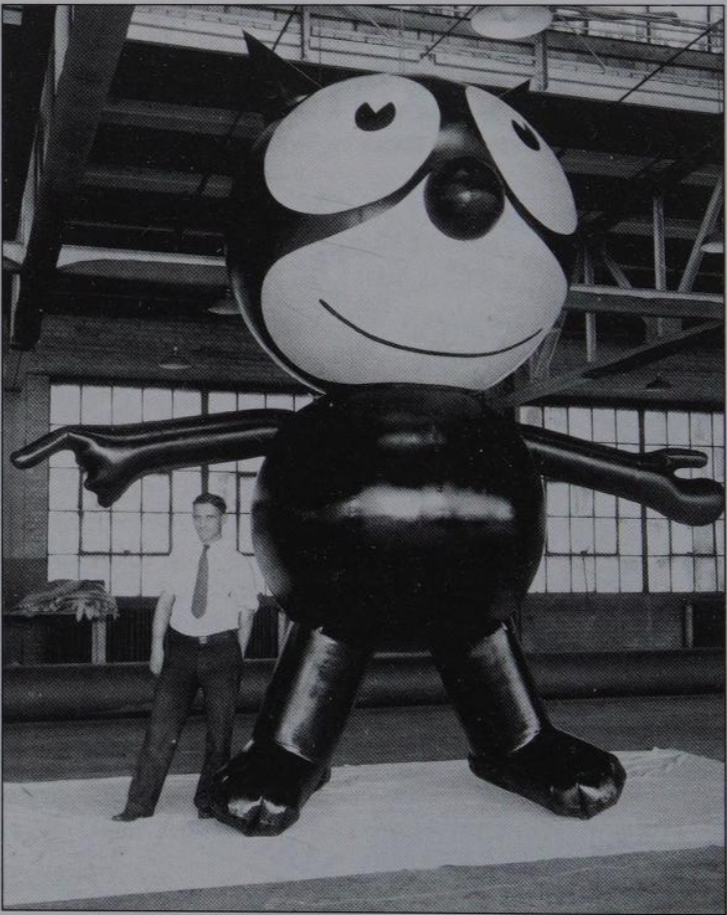

More than 44 million people usually watch the parade on television, according to Wikipedia's account of its history. Moving it two days is not free: re-inflating the balloons for Saturday is estimated at $1.7 million, weather.com reported, citing The Guardian.
What happens next?
- The parade is set for Saturday, 28 November, at 8:30 a.m. in Manhattan, per New York City Emergency Management. The same wind limits apply on Saturday.
- Coastal flooding could return at Friday's midday high tide in New England, and a beach hazards statement for the San Francisco Bay Area runs through Friday night.
- Return travel runs from Friday to Sunday, 29 November. Showers and wind linger in the Northeast on Friday. The National Weather Service expects southern New England to turn drier but breezy over the weekend, with rain or snow returning to northern New England late Sunday.
More on the holiday from vizmaya: how George Washington declared the first national Thanksgiving in 1789, and how AI assistants are changing Black Friday shopping. Or browse all vizmaya stories.
