A wide wedge on open Oklahoma plains.
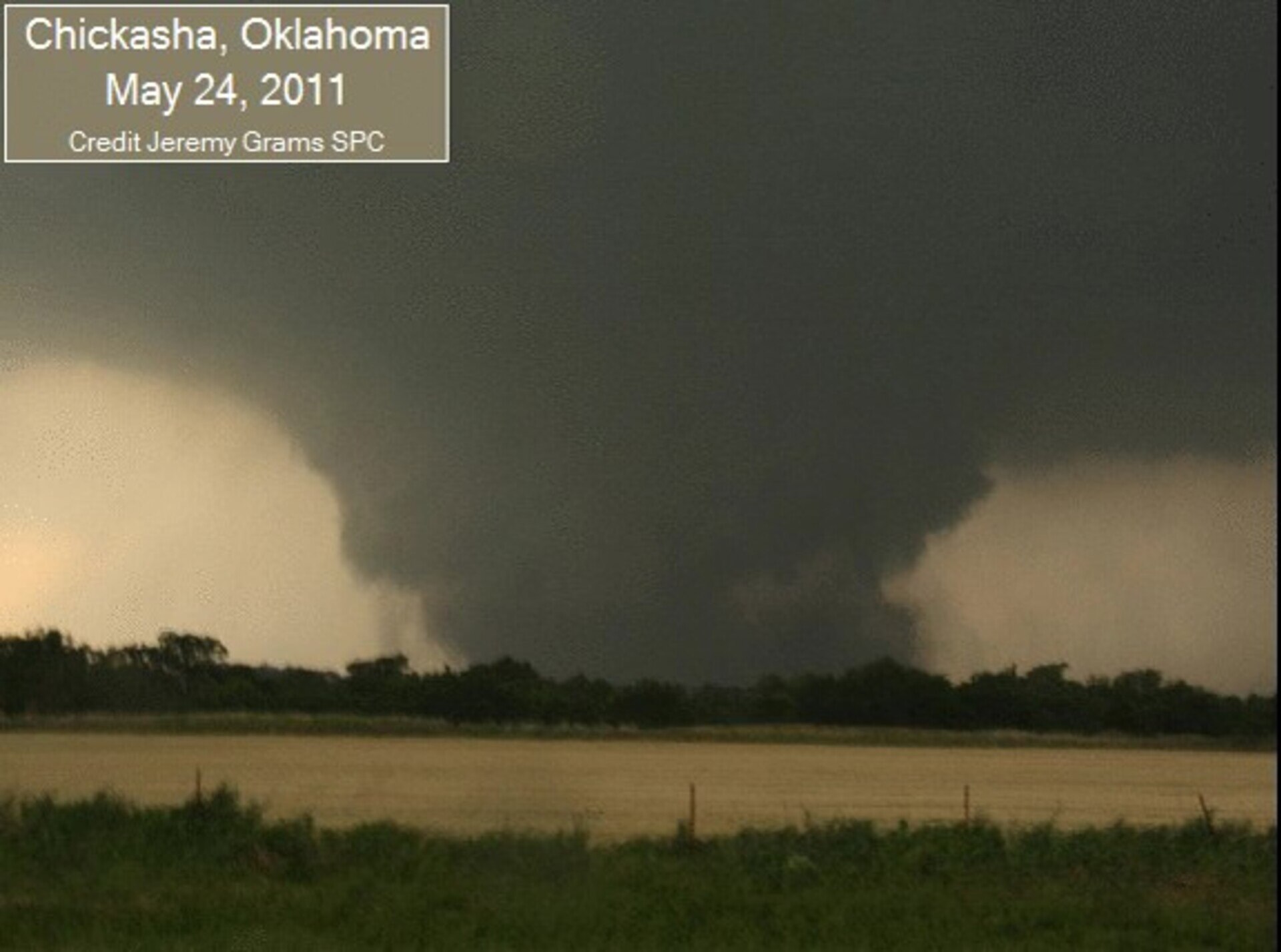

This is the classic chase. Flat land, long sight lines, daylight. It is where the rules of chasing were learned.
Texas still gets the most tornadoes of any state.
Hold that thought. It is about to matter.
Source: AP, 17 Oct 2018
1979 to 2017: the map moved east.
Falling: parts of Texas, Oklahoma and northeast Colorado.
Rising: parts of Mississippi, Alabama, Arkansas, Missouri, Illinois, Indiana, Tennessee and Kentucky.
Two measures agreed. Tornado reports moved, and so did the storm ingredients behind them.
Source: Gensini and Brooks, npj Climate and Atmospheric Science, 17 Oct 2018. Method: tornado reports plus the Significant Tornado Parameter index.
Why did it move?
Scientists are not certain yet. We have a trend. We do not have the cause.
Source: AP via PBS NewsHour
The new ground is harder to read.
Southern storms tend to stay on the ground longer and move faster. They are harder to spot, and many strike at night.
Source: CNN, on Dixie Alley
Tennessee has 46% of its tornadoes after dark. The US average is 27%.
Sources: NWS figure (27%) via Yahoo News; Tennessee (46%, 1950 to 2019) via National Geographic. Different sources and periods.
Night tornadoes are nearly twice as deadly as day tornadoes.
Fewer people are awake. Many live in mobile homes.
Source: National Geographic; AP (mobile homes)
The warning peaked at 15 minutes in 2011. A typical one gives about 9.
Source: National Weather Service, via USA Today. Since 2011 the yearly average has moved between 8 and 11 minutes.
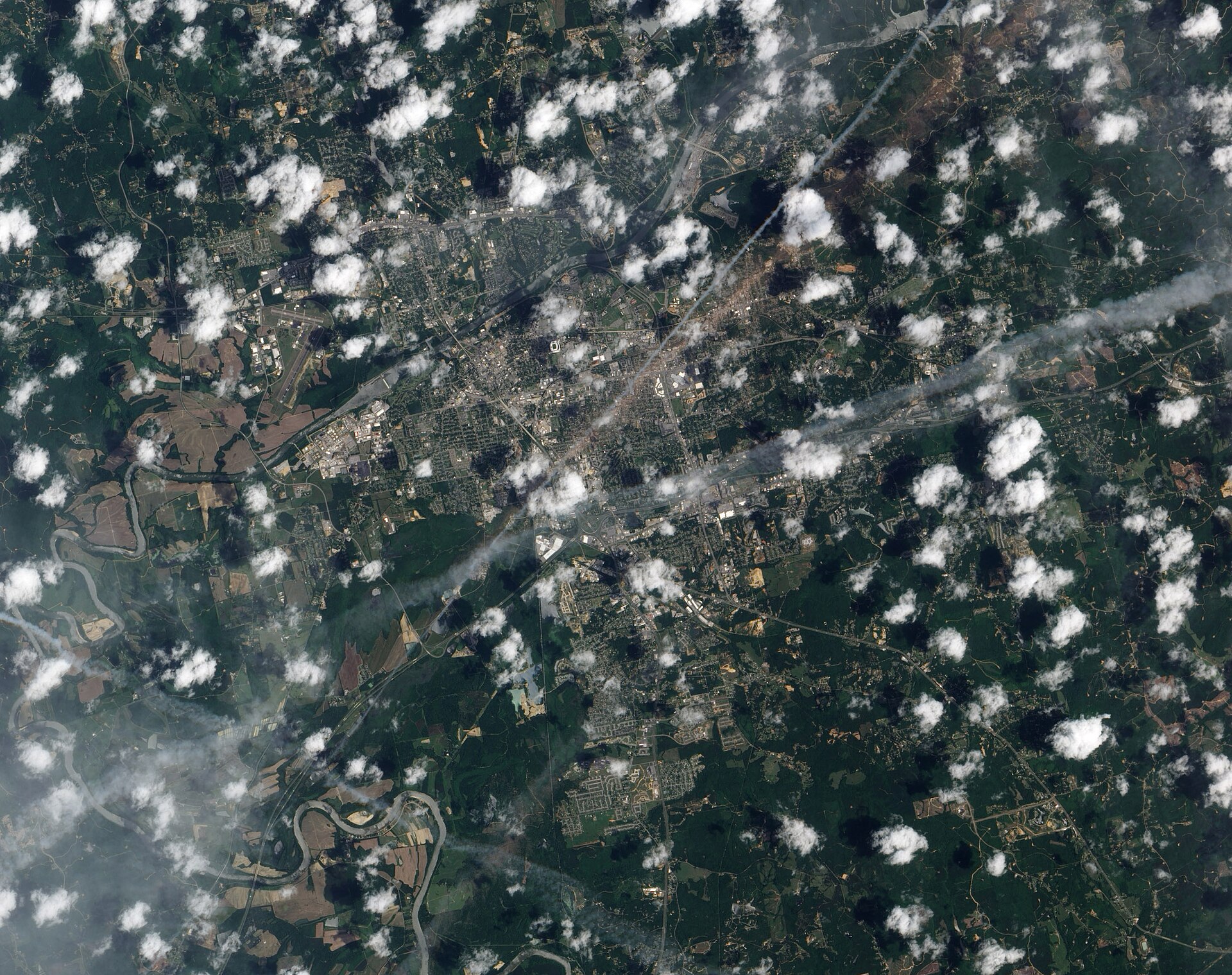

Most tornadoes hit one place. Most deaths come from another.
Texas, Kansas and Oklahoma get many more tornadoes. Yet the four deadliest states are Alabama, Missouri, Tennessee and Arkansas.
The map is moving toward the places where tornadoes already kill the most.
Source: NOAA figures as reported by AP, 17 Oct 2018
What we can do with this.
Plan for less sight, more speed and darkness. Gensini points to building codes, community assets, awareness and emergency plans.
Sources: CNN; NIU release
Sources and method
- Northern Illinois University release on Gensini and Brooks (2018). Tornado reports 1979 to 2017 and the Significant Tornado Parameter.
- AP via PBS NewsHour, 17 Oct 2018. Texas still first. Deadliest four states.
- National Geographic on night tornadoes. The 46% Tennessee share and "nearly twice as fatal". The article names no source for these two figures.
- CNN on Dixie Alley. Longer, faster storms.
- USA Today on warning lead time. About 9 minutes, goal 13, 15 in 2011.
- Yahoo News on night tornadoes. About 27% nationwide.
Images: Wikimedia Commons, public domain. The cause of the shift is unresolved. Night and lead-time figures come from news reports, not the original datasets.
The map in your head is out of date.
Tornado Alley is drifting east. We follow the data, then the danger it points to.
This is the picture we all carry.
Open land. Long sight lines. Daylight. It is where chasing learned its rules.
Texas is still number one.
It gets the most tornadoes of any state. Keep that fact. The next step bends it.
Then the map moved.
From 1979 to 2017, tornadoes fell in parts of the Plains and rose along the Mississippi and east.
Nobody knows why.
The cause is open. The new ground is also harder to read, with faster storms and less sight.
Then add the dark.
Tennessee has 46% of its tornadoes at night, against 27% for the nation. Night tornadoes are nearly twice as deadly.
The warning is short.
It peaked at 15 minutes in 2011. A typical warning now gives about 9. The goal is 13.
Here is the flip.
The busiest states are not the deadliest. The map is moving toward the deadliest ones.
What changes for us.
Plan for darkness, speed and less sight. Build, warn and prepare for the new ground.
Check the work.
Every number has a source. Two figures come from news reports, and the page says so.